
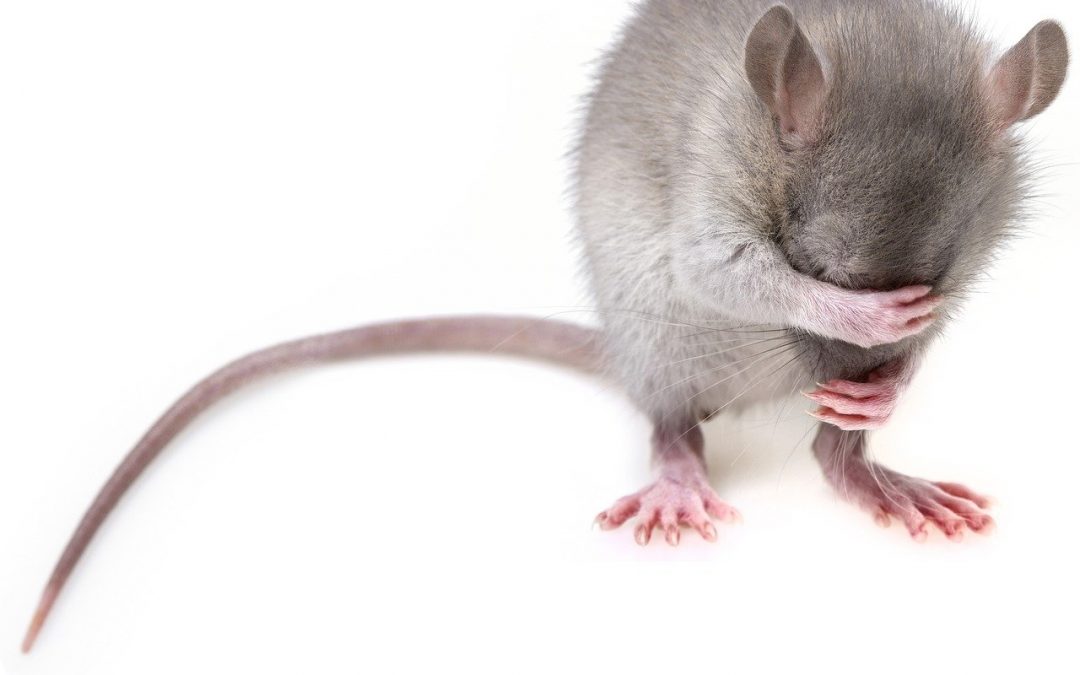
Gardens are lovely, wonderful places where you can go to relax and enjoy nature. However, sometimes the garden may attract certain types of nature into the area. This can include rats. Not only will rats take up residence in your garden, but they could eventually move into your home if left unchecked. That’s not a pleasant prospect.
Your garden is the first area rats may try to inhabit, so this is where you should begin taking care of the problem, before they move into your home.
To help you know where to start, we’ve created this easy guide with a plan you can follow to keep rats out of your garden.
Rats in the Garden—What to Look For
Rats come to your garden mainly to find food, plus it’s a great place for them to hide. Rats are extremely intelligent and monitor your behaviour. For example, they can even tell when you go to bed. Then they know it’s safe to come out and start having fun! So, how can you tackle a rat problem in the garden?
First, because rats love dark spaces, you’ll need to look for holes in the garden. These will be about 8 cm in diameter and may be found in many places. For instance, you may find a hole under soil that’s been heaped up in a corner. That’s an excellent home for rats. However, you may need to look in the ground, too. This is because rats can burrow about 45cm to 60cm into the ground. And they can even dig deeper than that!
Rats are also able to dig down under the foundation of your home, where they can easily get inside. That’s not a pleasant thought.
Keep Rats Away from their Burrows
Once you’ve spotted rat burrows in the garden, the next step is to keep them away from these holes. You’ll first need to get rid of the rat with one of these methods:
Ammonia: the smell can confuse rats into thinking a fox is in the area.
Peppermint: rats don’t like the smell at all. All you need to do is dip some cotton balls in the peppermint and place these in the burrow. Keep in mind it will be necessary to replace the cotton balls about every 3-4 days to keep the rats away.
Bay leaves: are toxic to rats; they will eat the leaves and die.
Mothballs: this is another strong smell that rat hate.
Filling in the Rat Burrows
Once you’re sure the rat has left the garden, now you can fill in the burrows left behind. To ensure other rats don’t make use of the burrow, you’ll need to fill it with something that creates a permanent seal. You can use soil mixed with stones, which can be pushed into the hole. But you’ll need to really ram this hard to make it challenging for rats to dig through.
Once the hole is filled in, pour some disinfectant around the hole to get rid of any rat smells that may remain. This will keep the burrow from attracting new rats.
Get Rid of Rats in the Garden Naturally
Once you’ve gotten rid of the rats, there are still things you can do to keep more rats from taking up residence in the garden. You may be tempted to use traps and poison; however, these can be dangerous to your small kids, pets, or even other wildlife in the garden. So, avoid these options. Instead, choose natural rat repellents.
Plants that Repel Rats
You can use plants to repel rats away from your garden! These are effective; they’re so effective that these methods have been used for hundreds of years to keep rats out!
Consider planting these plants in the garden:
Garlic: this is a smell that’s very strong and works to repel rats. You can even create garlic water and squirt this down new burrows you may find. Plus, you’ll have some wonderful fresh garlic to use in your cooking!
Herbs: many people have found it effective to create an herb border around their gardens. Herbs that repel rats include basil, thyme, and echinacea. Rats hate the smell of these herbs and will stay away. These herbs can also help to keep other pests away such as flying/biting insects.
Onion: this is another strong smell rats hate. All you need to do is place onions where rodents like to enter your garden. One whiff, and the rats will be gone! You’ll need to replace the onions before they rot. At that point, the rats will love to eat the onions, so you’ll be providing them with food. Not a good thing! You can also plant onions as a border around the garden—it will work in a similar way to the herb border.
Mint: rats hate mint, so growing mint in the garden is a great way to keep rats out. You can even use it in your cooking.
Lavender: this is a good plant to use where rats may find food, such as around your deck, garden houses, around the perimeter of the garden, and more. They don’t like the smell of lavender at all and will quickly leave.
What to Do If These Methods Fail
It’s possible that using one or more of these methods could fail, and rats are determined to live in the garden. In that case, it’s time to call a professional exterminator. If left alone, the rats will eventually move into your home, where you’ll have an even larger and more serious problem.
Rats may carry infections that are harmful to you and your pets. Whatever surfaces rats walk across, they can leave behind dangerous contaminates. These are spread through rats’ droppings and urine.
Rats can also cause major damage to a home from chewing on a wide variety of things such as cables, wood, and more. They’ll even chew through electrical wiring, which can cause a short circuit and lead to a fire in your home.
Lastly, rats love to enter a home and take up residence to raise their families. Consider that rats can have more than 2 litters a year and have 12-15 pups per litter. That’s a lot of rats in a short amount of time.
So, if you’re not able to get rid of the rats in your garden, be sure to call a professional exterminator. Don’t wait but call right away in order to avoid a major infestation.