
When the weather’s nice and pleasant outside, your garden becomes a beautiful oasis. You and your family can enjoy spending time out in the sun and fresh air and enjoying the beautiful natural setting. However, what happens if your garden’s been infested with pests?
You may notice even notice them at first because everything looks so lush and beautiful. However, after a time, you may begin to notice that perhaps not all is well in the garden. And then you find signs of pests.
In this article, we’ll take a look at some of the most common pests, their signs in the garden, and how you can get rid of them.
1). Carpenter Ants
Carpenter ants are real menace not only to your garden, but even to your home. These ants are large—about 1.5cm long. They’re usually a dark brown or black. While they can’t sting, these ants can give you a very painful bite.
These large ants can live inside or outside and prefer a rotting, moist environment. They can create tunnels almost anywhere such as under decks, doors, porches, or even in trees. If they infest your home, carpenter ants can cause major damage. And while they’re not really bad for the garden, they can attract aphids.
The problem with this is that the ants protect and farm the aphids, and even lead them to plants in the garden. So, you can try these methods to get rid of carpenter ants:
- Borax: boric acid is a natural pesticide that should be used carefully. You can create a repellent by mixing 1 part borax and 3 parts powdered sugar in small containers. Place these on the ant trails.
- Peppermint: use peppermint essential oil to soak cotton balls, then leave these where you find entry points or trails left by the ants.
- Baby powder: can also be effective as the carpenter ants hate it. Just spread it near where you find their trails or points of entry.
2). Getting Rid of Wasps
Wasps are identified by their black and yellow stripes, and by the lack of “fur” similar to what some types of bees have. Wasps love eating rotting/fresh meat, nectar or fruit. These are dangerous flying insects as they will sting more than once, and they don’t die after they sting. Not only are their stings painful, but they can also be life-threatening to people who have allergies to wasps.
Get rid of wasps by:
- Locating the nest: you’ll need to first find the wasp nest.
- Treat the nest: next you’ll need to treat the nest; however, this is not advised. That’s because this can be extremely dangerous. If the wasps are angered, they will come out and attack you. Smoke is a great way to get rid of wasps. You’ll have to light a fire right under the nest, which can also be dangerous. The wasps will eventually leave the nest to get away from the smoke. Remember, they will attack when angered, so don’t stay around to see the action.
- Get rid of the nest: only do this when you know for sure the nest is completely empty. You can either drown it or burn it. Either method is effective.
3). Get Rid of Ticks
Ticks are another common problem in the garden. These tiny creatures have voracious appetites, and will be happy to dine on you, your family, and pets. Ticks loves moist, warm areas, and usually hide where there’s plenty of ground-cover such as in high grass, in the woods, and more.
These insects are extremely dangerous as they are parasites. They can also spread dangerous diseases such as Lyme or Q fever. When a tick bites, they bury their head in the skin to get at blood. If you find one and try to remove it incorrectly, you may remove the body and leave the head in the skin. This can lead to bacterial infections, as well as any infections carried by the tick.
You can use these methods to get rid of ticks on the garden:
- Use natural insecticide: you may find these at the garden shop or even the grocery store. The insecticide is called pyrethrin. This will kill ticks and fleas; however, be careful when using this. Some people are allergic to pyrethrin and could suffer an anaphylactic reaction to this chemical. You can buy either powder or spray to use in the garden.
- Keep the lawn cut: keeping your garden clean and the grass cut are two key methods to prevent ticks from invading. And remember to remove the grass clippings when you’re done.
- Check you and your pets: when you, your family and pets have spent the day in the garden, be sure to check everyone very carefully for ticks. You may also want to consider asking the vet for recommendations on products or treatments that can be used to repel and kill ticks that get on your pets.
4). Get Rid of Crickets
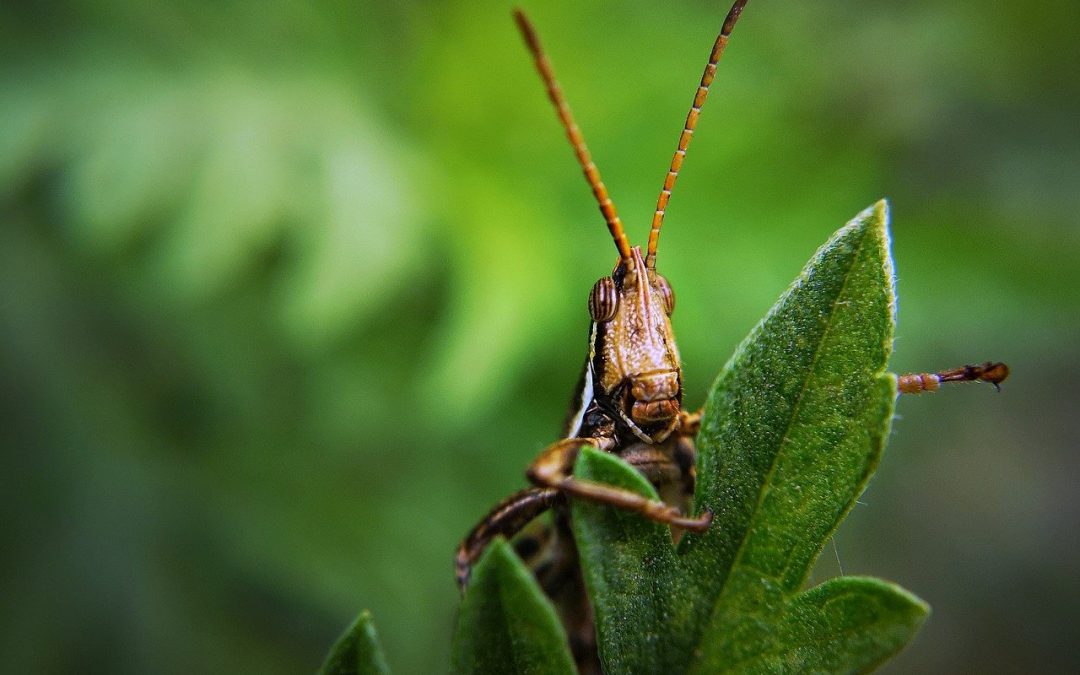
Crickets are a common insect found in the garden. You’re probably very familiar with these critters. Crickets have a cylindric-shaped body, with 6 legs. Their hind legs are usually quite long and help them to hop long distances. They also have long antennae. Crickets are the insects that make chirping sounds at night. They tend to love living in bushes and in the woods.
The problem with crickets is that they love to eat leaves, which can cause a lot of expensive damage to your landscaping and garden plants. Some crickets even eat fruit and flowers.
To get rid of crickets you can try these methods:
- Install a bird feeder: that may sound strange, but many birds love to feast on crickets. By inviting the birds to your yard, you’ll have natural predators who will be more than happy to rid your garden of crickets.
- Keep the grass cut: crickets, like other insects, prefer to live in places that are not mowed and kept clean. So, be sure to clean up fallen leaves, and keep the grass mowed.
- Keep a cat: another natural predator of crickets is a cat! They love to play with crickets, and some cats even eat the insects.
Summing It Up
If you have pests in the garden, then look for natural methods to get rid of them. There’s a chance the problem will continue even with your best efforts. If that’s the case, then be sure to consider calling in a professional exterminator. They’ll be able to get rid of garden pests quickly, safely and easily.