
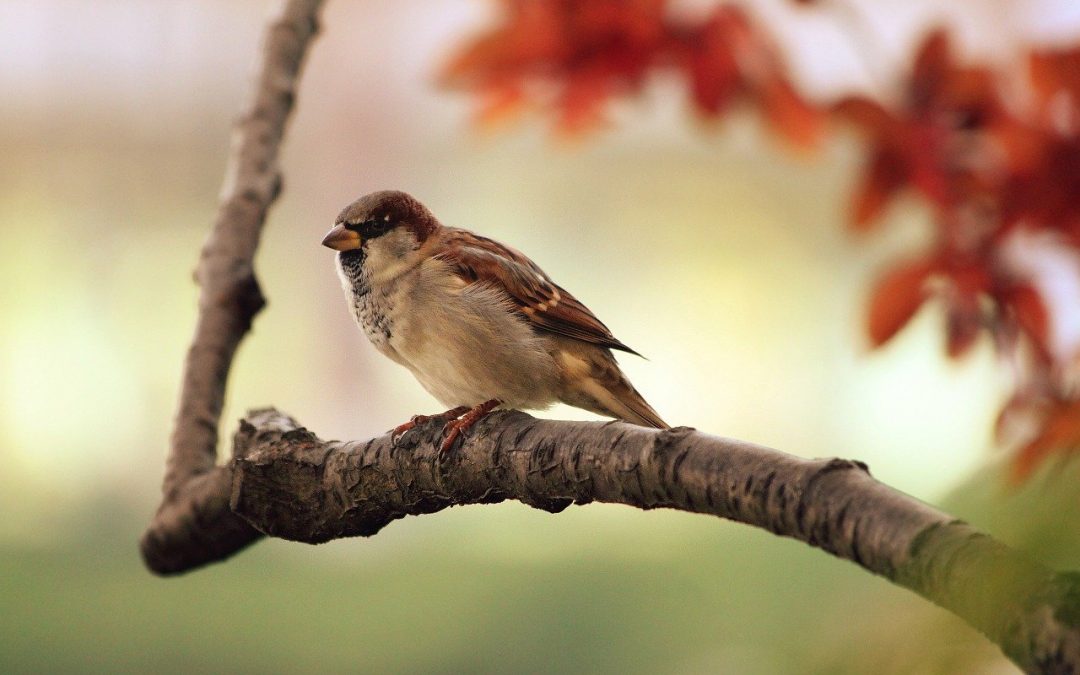
Do you have a garden where you like to feed the birds? Bird watching in your own yard can be a gratifying experience. Plus, you’re helping the local wildlife. However, feeding the birds could be causing pest problems.
Common Garden Pests
There are a number of common garden pests who would love nothing better than to chow down on food from bird feeders. Here are a few that could be infesting your garden:
Rats: can quickly gain access to any food dropped on the ground. And rats are good climbers, so if they find an easy way to get at the food, they’ll use it. Birdseed is a great source of protein for rats, which means they will also try to nest near the feeder, right in your garden. These pests carry diseases that can contaminate the produce in your yard, as well as the water supply.
Pigeons: also love bird feeders, however, they can cause problems. They may roost in gutters and other areas leaving behind a mess of bird droppings. Plus, their droppings can stain glass, patio furniture, decking, and more.
We can help you get rid of that problem by removing nests, pigeons, and even provide proofing for solar panels and gutters to keep the birds off.
Squirrels: are another problem, as they love bird feeders as much as other pests. Not only will squirrels steal bird eggs in nearby nests, but they’ll also have access to all that bird food. This rich source of protein is what they’re seeking out.
Squirrels can also sometimes become extremely territorial. They can also decide to live in the loft area of your home and cause quite a bit of damage from gnawing, nesting, and more.
You may have squirrels in the loft if you hear bumping and moving sounds in the ceiling at night.
Tips to Control Pests When Feeding the Birds
There are some steps you can take to help stop making the garden an inviting place for pests. You’ll still able to enjoy feeding the birds but without the worry of drawing vermin into the garden.
1). Clean Up Under the Feeder
Birds drop seeds, seeds can also come tumbling out of the bird feeder, which makes a rich feast on the ground for pests. This an easy source of food to access and they will take advantage.
To keep pests out of the garden and away from the feeder, be sure to clean regularly under the feeder. This may not be a fun job; however, cleaning up the birdseed will mean there’s not as much food on the ground to attract pests.
2). Keep the Feeder Isolated
Keep your feeder out in the open, where pests don’t like to be. Most pests prefer long grass, bushes, weeds, shrubs, or even fallen leaves. These materials offer them protection when out searching their next meal.
So, be sure to keep the area around the birdfeeder trimmed and cleaned. The feeder is also best placed out in the open, which discourages pests. When pests are don’t have places to hide, they tend to stay away.
3). Secure the Bird Feeder
Because birdseed under the feeder attracts pests, keeping that area clean is essential. Birds aren’t always the problem with dropped food. It could be the feeder itself that’s the problem. You can try hanging feeders securely out of the wind. For those windy days, you can also opt for a pole feeder.
Another option is to secure the bird feeder to a tree, trellis, or even the side of your home.
One last tip—take down feeders until the wind has passed. Birds aren’t usually out feeding when it’s windy. They won’t miss a meal—the birds will be back as soon as you replace the feeders.
4). Fix the Bird Feeder
Another issue is that sometimes bird feeders become broken, releasing seed all over the ground. This is a problem ripe for attracting pests.
For this problem, be sure to check your bird feeders at least once a week to make sure they’re not damaged. If you do find they’re broken, then put the feeder inside until it can be fixed. And remember, broken feeders can be dangerous to birds.
5). Use Bafflers on the Bird Feeder
Bafflers are a great way to keep pests out of the bird feeder. Bafflers are shaped like a bowl and are installed on the bottom of bird feeders. While these won’t work against pigeons and other flying pests, they do make it more difficult for squirrels and other animals to climb the feeder.
Bafflers are found in hardware stores, or you can make some yourself. Keep in mind that bafflers are not always a solution you can count on. However, they can work to cut down on those pests who climb for the birdseed.
6). Bring the Bird Feeder In
This is another solution that’s easy to forget. Taking your bird feeders in a night means less food for pests that come out at night to eat. Nocturnal pests can include badgers, hedgehogs, and more.
Simply taking your bird feeders in at night can solve this problem. Plus, the seed won’t be scattered on those windy nights!
7). Keep Mice, Rats, and Other Pests Away
Here are some methods you can use to keep rodents and other pests from accessing the bird feeder:
Use a seed tray: this is a seed catching that’s meant to be used on a feeder pole. The seeds are caught rather than falling to the ground.
Go with no waste bird food: choose bird food made from hulled seeds, sunflower seeds, shelled peanuts, or even hulled millet. Other foods to feed the birds that don’t make a mess include cracked corn, suet, thistle, or nectar.
These are some methods you can use to keep pests out of the garden. However, if you find or suspect there’s a pest infestation, be sure to give us a call. We’re ready to help you with any type of rodent control issue.