
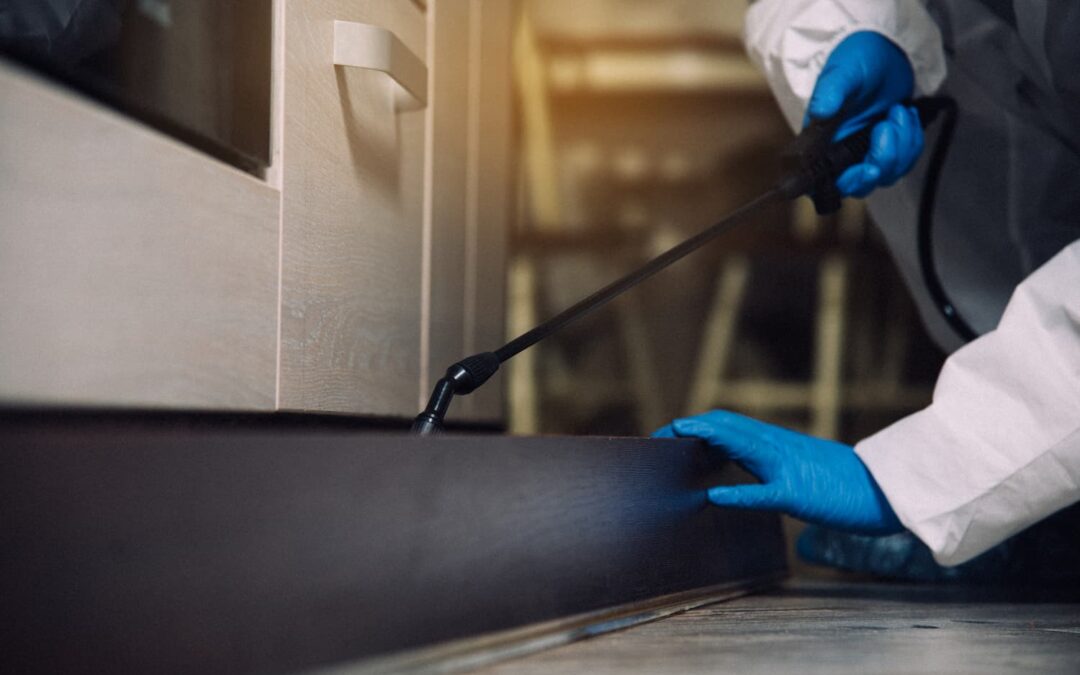
When you’re getting ready to sell your home, the last thing you need to worry about is a pest infestation. If you’re buying, selling, renting, or dealing with property that is affected by pests, you need to understand how this problem can lower your property’s value and how to deal with the issue.
Pests Can Cause Serious Damage to Your Home
The problem is that once you’ve found a couple of pests in your home or on your property, chances are the pests may have already become an infestation. In addition, pests can cause a broad range of damage to your property; however, it depends on the type of pest infestation you’re dealing with.
Pests can damage everything from textiles and fixtures to fittings and structural damage. Their damage can lead to huge pest control and renovation costs if they’re not dealt with quickly.
In the following sections, we cover the most common pests and how they can damage your property.
1.Rodents (Rats & Mice)
Rats and mice usually live in walls, under flooring, and in other places. Their first goal when setting up a home in your place is to build a nest. Rats and mice need a place to give birth and raise their young. Plus, they enjoy staying safe and warm in a cosy space.
In addition, they want to search for food. They try to find a home that’s close to a food source where they can enjoy a consistent source of food. Rodents love to be near kitchens and chew up paper, books, and electrical wires. The chewed wires can even become a fire hazard you don’t realise exists.
Rodents also carry a wide range of diseases, which are left behind in their urine and faeces. That’s a serious problem, especially in the kitchen.
Here’s the list of damage rodents can cause to your home or business premises:
- Eating food and leaving urine/droppings that spread disease
- Chewing holes in clothing and furniture
- Structural damage from rodents gnawing on wood and other materials
2. Ants
Ants are another common pest problem in businesses and homes. The insects are highly organised and work together; they can cause a wide range of damage, too. What’s more, different species of ants can cause different problems.
For instance, black garden ants don’t usually cause structural damage; however, they can widen existing cracks to gain entry to a home or business premises. However, carpenter ants can gnaw on wood and cause serious damage to the structure of your home or place of business. Pharaoh ants can carry bacteria that make humans sick.
Carpenter ants are one of the worst problems because they’re able to damage wood and imperil the structural integrity of a building. You may notice carpenter ants as they’re large and don’t usually hide; however, they are more active at night.
Other species of ants are enticed into a home or business by food being left out or by high humidity levels (which they prefer).
3. Carpet Beetles
Carpet beetles are another common pest problem in the UK and can be found in large numbers in a building. These insects will eat just about anything that’s fabric, including rugs, sofas, clothes, and carpeting. They also have a penchant for leather items, such as furniture, book bindings, and more. Even photographs and paintings may not be safe from these pests.
Carpet beetles can cause damage that’s lasting and costly to repair. Many rental and insurance agreements in the UK do not cover carpet beetles. That means if you own the property, you’ll have to cover the cost of pest control plus repairs directly out of your own pocket.
4. Woodworms
Woodworms are another horrible pest that’s common in the UK. Woodworms cause damage to the wooden parts of a property, causing serious problems such as damage to the structure of a building. And once woodworms are active, they eat non-stop.
The worms tunnel through the wood, creating multiple tunnels as they eat through a building. Their specialty is eating load-bearing parts of properties such as structural timbers and rafters.
Woodworms can also lead to structural collapse, causing serious injuries and harm. For this reason, woodworm treatment must be done as soon as possible to stop the damage they cause.
Does Home Insurance Cover Pest Damage?
Most everyone assumes their homeowner’s insurance policy covers damage caused by pests. However, that’s not always the case. Pest control usually does not cover the cost of pest damage.
So, when you’re taking out a new home insurance policy, be sure to ask if rodent damage is covered by the policy. In most cases, the answer will be no.
However, if you have a different rodent infestation issue, the policy may partially cover it. You need to understand the terms “preventable damage” and “unexpected damage.”
Preventable damage is something that is the fault of the owner or tenant, caused by poor upkeep. This type of damage happens over a long period of time and results in an infestation that shows long-term visible signs of pests in action.
On the other hand, unexpected damage usually relates to storms. However, it may sometimes also include damage caused by pests. For example, if a fire is determined to be caused by a rat chewing through electrical cables, the home owner’s policy may pay out. However, that’s not always the case.
What Does All This Mean for You?
It means that when you’re buying or renting a home, a pest inspection is crucial before you sign any contract. Pest inspections are beneficial whether the structure is new or old and should include all parts of the interior and exterior. It’s essential to use a professional pest control company to do this type of inspection.
If pests are found during the inspection, the property owner is responsible for paying for pest removal services and ensuring the infestation does not come back.
Summing It Up
Pest can cause a lot of damage to a building’s structure and contents, with the most common culprits being ants, woodworms, rodents, and carpet beetles. Unfortunately, damage caused by pests is not usually covered by homeowners’ insurance policies.
So, it’s essential to have a pest inspection and control done before you move into a new place.